

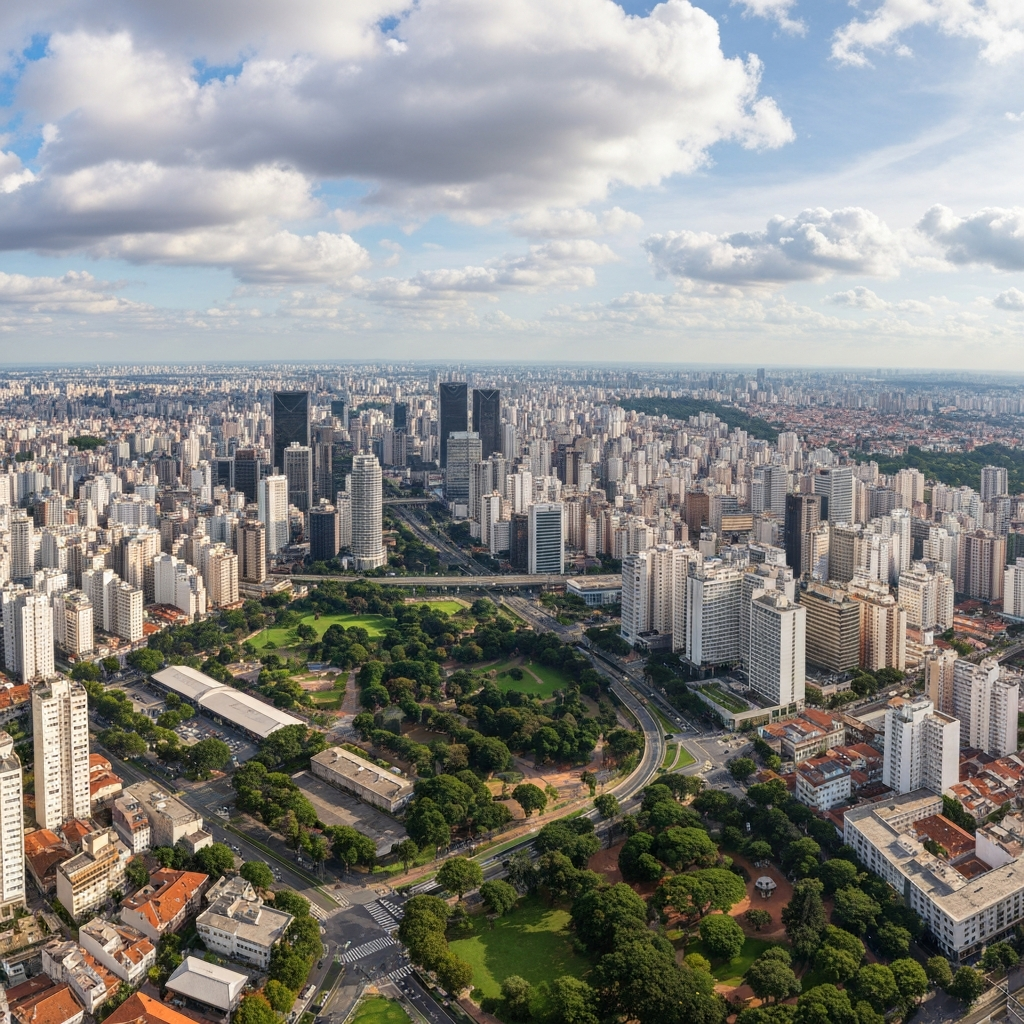
São Paulo, the largest city in Brazil, experiences a humid subtropical climate characterized by distinct seasonal variations. Understanding these patterns is essential for residents and visitors alike.
Seasonal Weather Patterns
During the summer months (December through March), São Paulo typically experiences warm temperatures and increased rainfall. Average high temperatures hover around 28°C, with lows near 19°C. This period is marked by frequent showers and thunderstorms, contributing to the city’s lush greenery.
Autumn (April and May) brings transitional weather, with decreasing temperatures and rainfall. It’s a comfortable season, with average temperatures ranging from 18°C to 25°C.
Winter (June through August) is mild and relatively dry. Average temperatures range between 12°C and 22°C, with occasional cold fronts bringing cooler days. Frosts are rare but can occur in outlying areas.
Spring (September through November) sees gradually warming temperatures and increasing rainfall, preparing the city for the upcoming summer season.
Environmental Challenges
São Paulo faces several environmental challenges, notably air pollution and water quality issues. The city’s vast number of vehicles contributes significantly to air pollution, leading to health concerns among residents. Studies have shown that air pollution in São Paulo causes more deaths than traffic accidents. Additionally, the Tietê and Pinheiros rivers suffer from severe pollution, impacting local ecosystems and water quality.
Adapting to Climate Variability
In recent years, São Paulo has experienced changes in precipitation patterns, affecting water supply and urban planning. Efforts are underway to improve water management systems and address the challenges posed by these climatic shifts.
Understanding São Paulo’s climate and environmental issues is crucial for developing sustainable solutions and ensuring the well-being of its inhabitants.