

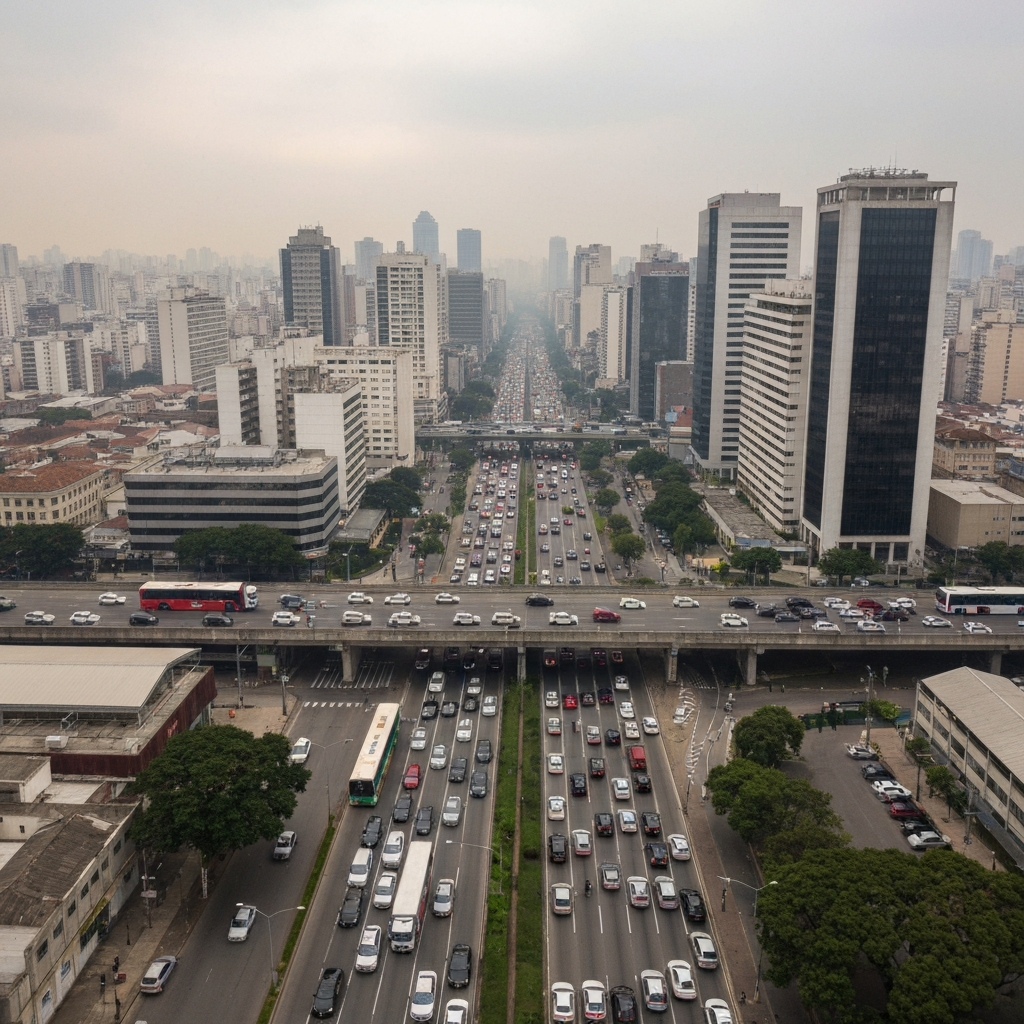
São Paulo, located just south of the Tropic of Capricorn, experiences a humid subtropical climate, characterized by distinct seasonal variations influenced by its elevation and geographical position.
Seasonal Overview
Summer (December to March)
During summer, temperatures typically range from lows around 19°C to highs near 28°C. This season is marked by high humidity and substantial rainfall, with precipitation averaging 237mm in January and 222mm in February. These conditions often lead to heavy showers and thunderstorms.
Autumn (April to June)
Autumn brings a gradual decrease in temperatures and rainfall. April sees average temperatures around 23°C, with rainfall decreasing to approximately 73mm. By May, temperatures further drop, and rainfall averages 71mm, making it one of the drier months.
Winter (July to September)
Winter in São Paulo is mild, with average temperatures ranging from 12°C to 23°C. July is the coldest month, averaging 14°C, and occasionally experiencing frost. Rainfall is at its lowest during this period, contributing to drier conditions.
Spring (October to November)
Spring sees a gradual increase in temperatures and the onset of the rainy season. October marks the beginning of more frequent rainfall, leading into the wetter summer months.
Environmental Challenges
São Paulo faces several environmental issues, notably air and water pollution. The city’s extensive vehicle fleet contributes significantly to air pollution, with particulate matter levels often exceeding World Health Organization guidelines. Additionally, major rivers like the Tietê and Pinheiros are heavily polluted, impacting water quality and public health.
Urbanization has also led to challenges such as flooding and the urban heat island effect. The city’s infrastructure struggles to manage heavy rainfall, resulting in frequent floods. Moreover, the replacement of vegetation with concrete and asphalt increases temperatures in urban areas, exacerbating heat-related issues.
Adaptation and Mitigation Efforts
Addressing these environmental challenges requires comprehensive urban planning and policy implementation. Efforts include improving public transportation to reduce vehicle emissions, investing in green infrastructure to manage stormwater, and enhancing green spaces to mitigate the heat island effect. Public awareness and community engagement are crucial in fostering a sustainable urban environment.
Understanding São Paulo’s climate and environmental dynamics is essential for residents to adapt to seasonal changes and contribute to the city’s sustainability efforts.