

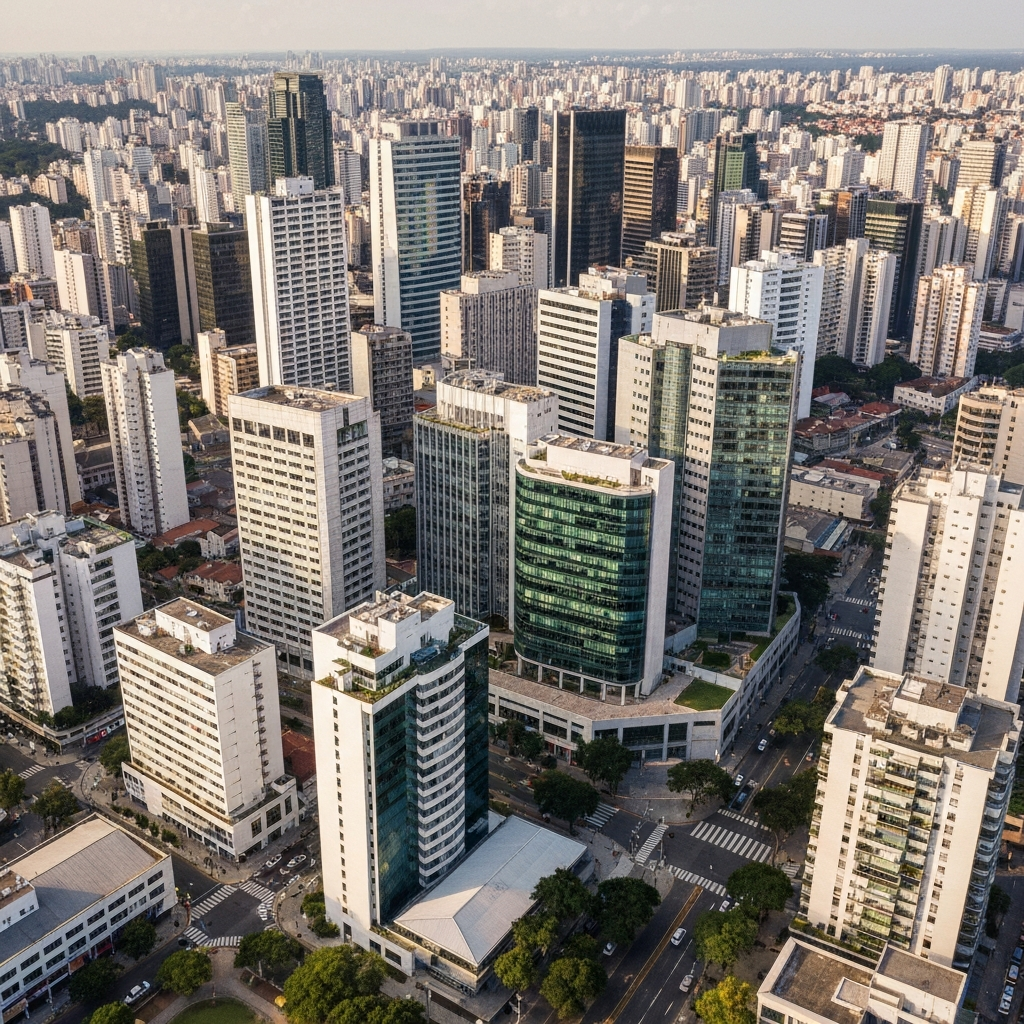
São Paulo’s real estate market is experiencing notable shifts, influenced by various economic and social factors. Understanding these trends is essential for prospective buyers, investors, and residents.
Market Trends
Recent data indicates a significant increase in residential property launches. In 2025, the city saw a 34% rise in new residential units compared to the previous year, totaling approximately 139,700 new homes. However, sales grew at a more modest rate of 9%, resulting in a 40.3% increase in unsold inventory, reaching 85,200 units. This surplus suggests a potential buyer’s market, offering more options and possibly better negotiation opportunities for purchasers.
Rental Market Dynamics
The rental sector remains robust, particularly in prime neighborhoods such as Vila Madalena, Pinheiros, and Moema. These areas have experienced strong appreciation, driven by infrastructural improvements and the expansion of technology and service industries. The average price per square meter in São Paulo reached R$10,200, reflecting robust demand.
Investment Opportunities
For investors, districts like Itaim Bibi and Vila Olímpia present promising opportunities. These areas have demonstrated significant appreciation, with Vila Olímpia experiencing a 62% increase in high-end property values between 2020 and 2024. Rental yields in these neighborhoods range from 4% to 5%, indicating a healthy return on investment.
Affordable Housing Initiatives
Addressing the need for affordable housing, the ‘Minha Casa Minha Vida’ program continues to play a pivotal role. In 2025, this initiative accounted for 61% of new residential launches, totaling 85,300 units. The program’s focus on providing accessible housing options underscores the city’s commitment to inclusive development.
Future Outlook
Looking ahead, the São Paulo State Investment Partnership Program (PPI-SP) aims to attract private investment into public services, including housing. With over 31 qualified projects and 50 auctions scheduled, the program anticipates investments exceeding R$490 billion. This initiative is expected to modernize essential services and stimulate further growth in the real estate sector.
In conclusion, São Paulo’s real estate market offers a diverse range of opportunities. Whether considering purchasing a home, investing in rental properties, or exploring affordable housing options, staying informed about these evolving trends is crucial for making well-informed decisions.