

By Juliana Almeida
In São Paulo, sports development isn’t limited to stadiums hosting major clubs. It’s a city-wide effort that begins in local communities and schools, builds through public programs, and reaches national and international stages. Here’s a look at the systems shaping athletes in São Paulo—and how they link the grassroots to the highest levels of sport.
Public pathways and early talent identification
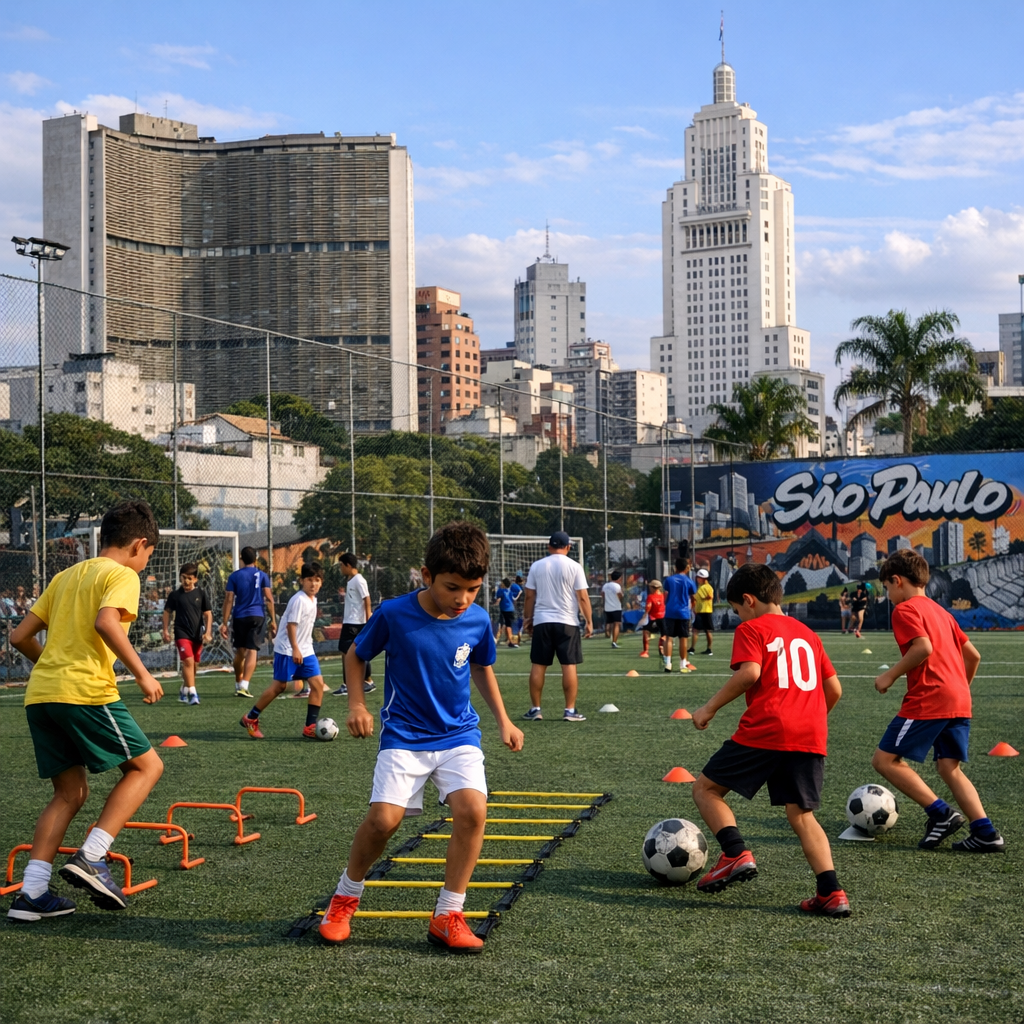
The Rede Olímpica program, managed by the city’s Secretária Municipal de Esportes e Lazer (SEME), has expanded its reach significantly. It now serves over 1,400 children and adolescents aged 5 to 18, offering free access to sport with coaching, technical training, and associated support. The aim is not just recreation—it’s about identifying talent and guiding serious young athletes toward high-performance centers and club infrastructures. The result is a more structured connection between early sports practice and national competition.
Complementing it, the state program called Talento Esportivo commits millions of reais through incentive grants. It supports athletes across multiple levels—students, juniors, national level and even international competitors—making it possible for promising athletes to continue training without bearing prohibitive costs.
School leagues as essential stepping stones
Schools play a central role in São Paulo’s athlete development pipeline. International and private schools in São Paulo participate in inter-school leagues like the São Paulo High School League (SPHSL), and broader associations such as the Association of American Schools in Brazil (AASB). Member schools—including Graded, EAC, Chapel School, Pan American Christian Academy, St. Paul’s and others—offer organized sports competition in multiple sports like soccer, basketball, futsal, volleyball and cheerleading.
These school leagues offer both junior varsity (JV) and varsity levels, ensuring continuity as students grow. The competition format—usually round-robin seasons with playoffs—teaches athletes far more than physical skills: teamwork, sportsmanship, discipline, and balancing training with schoolwork. Coaches often start with talent fundamentals, and championships offer glimpses of who may move up to club or national levels.
Club academies, social projects, and youth teams
In the club and social sectors, the focus shifts to refining skills for competitive performance. A good example is São Paulo FC, whose youth categories have recently returned to football training at its Cotia facility, working on technical and tactical improvement under pressure and high intensity. Such clubs take what young athletes have begun in schools and public programs, and elevate them toward elite training environments.
One standout is the project Estrelas, a social initiative focused on building female football talent. It selects young girls, often in vulnerable settings, and channels them into formal club programs. In recent drafts, Estrelas saw dozens of athletes move to clubs like São Paulo FC, Avaí, Centro Olímpico and Portuguesa. This kind of project helps close gender and opportunity gaps in Brazil’s football system.
Challenges and what comes next
Despite progress, the journey from local field to national team is hard. Issues include: unequal access to quality coaching in poorer districts; cost of travel and kit; and limited exposure in tournaments when school or community peers have fewer opportunities. Female athletes often face additional barriers in investment and visibility.
What São Paulo needs to keep improving: greater integration among public, school, and club systems; more resources for female sport and lesser-known disciplines; and expanded reach so that children in all neighborhoods—rich and poor—feel sports is an option, not a luxury.
A lasting ecosystem for sport
São Paulo’s strength lies in its ecosystem: public programs identifying early talent, schools cultivating discipline and values, and clubs pushing athletes to excellence. When these layers align, the city builds not just national champions, but people who gain confidence, discipline, and community through sport. For many kids, playing in a school league or using a public sports center will be the first step toward something much bigger.