

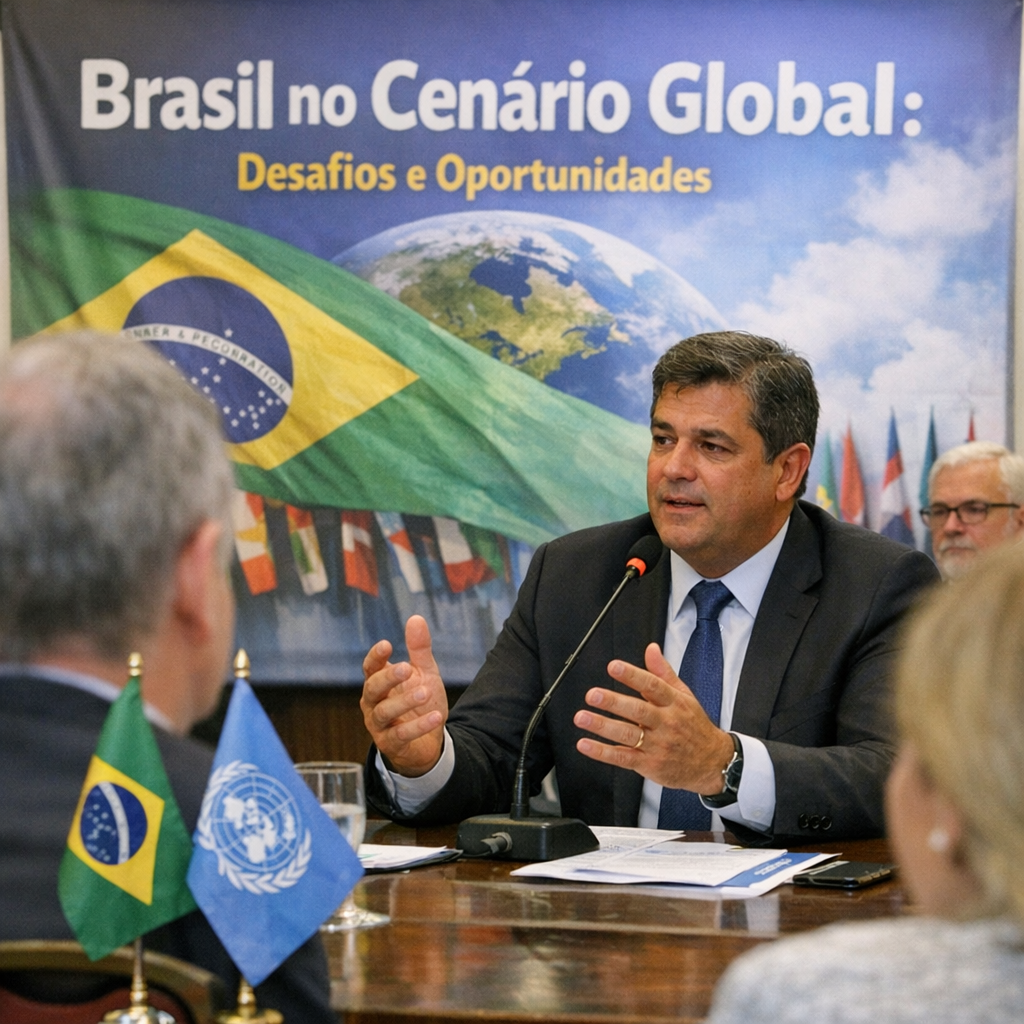
Brazil has been actively participating in global forums, addressing economic challenges, and reinforcing its environmental commitments. These efforts reflect the nation’s strategic approach to international relations and domestic development.
Leadership in Global Forums
In recent years, Brazil has assumed prominent roles in major international forums. The country hosted the G20 Summit in Rio de Janeiro in 2024 and is set to convene the COP30 climate conference in Belém, as well as the BRICS Summit in 2025. These events underscore Brazil’s commitment to fostering a more inclusive and sustainable global order. Key agenda items include cooperation in global health, trade and investment, climate change response, and governance of artificial intelligence.
Economic Challenges Amid Global Tensions
Brazil’s economy has faced significant challenges due to international conflicts. The 2026 Iran war has disrupted global supply chains, particularly affecting Brazil’s agricultural sector, which relies heavily on imported fertilizers. Nearly half of Brazil’s fertilizer supply transits through the Strait of Hormuz, and disruptions have led to increased costs and potential reductions in crop yields, impacting global food security.
Additionally, diplomatic tensions with the United States in 2025 resulted in the imposition of tariffs on Brazilian exports. The U.S. announced a 10% tariff on Brazilian imports in April 2025, escalating to 50% by July. Brazil responded with reciprocal tariffs and appealed to the World Trade Organization, highlighting the complexities of international trade relations.
Environmental Commitments and Challenges
Brazil continues to grapple with environmental challenges exacerbated by climate change. The country has experienced higher temperatures, altered precipitation patterns, and more intense wildfires, affecting ecosystems like the Amazon rainforest and the Cerrado. In 2024, Brazil faced severe wildfires, with over 62,000 fires burning approximately 46 million hectares, primarily in the Pantanal, Amazon, and Cerrado regions.
In response, Brazil has updated its climate action plan, pledging a 48% reduction in emissions by 2025 and 53% by 2030. The government has also committed to achieving zero illegal deforestation by 2030, aiming to balance economic development with environmental preservation.
Conclusion
Brazil’s proactive engagement in global forums, strategic responses to economic challenges, and reinforced environmental commitments demonstrate its dedication to navigating the complexities of international relations while addressing domestic priorities. These efforts are crucial for Brazil’s continued growth and its role on the global stage.